Source Iced Bar Mold for Bars, Restaurants, and Events
Compare 30 verified listings for the iced bar mold from Chinese manufacturers. Buyers can evaluate materials like brass and wood, custom sizes, and MOQs ranging from 1 to 1000 pieces for various shaping modes; compare the available evidence and request quotations based on your requirements.
Key considerations
Products List
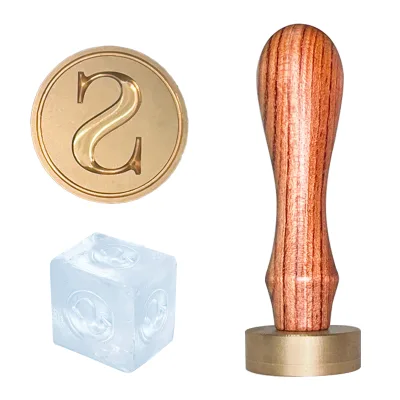
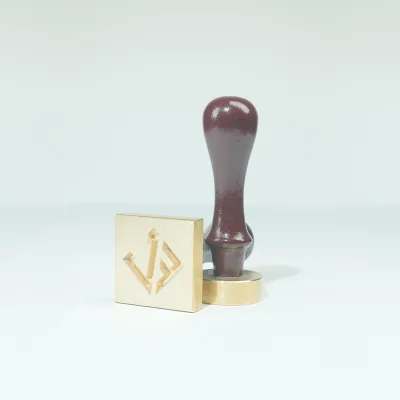


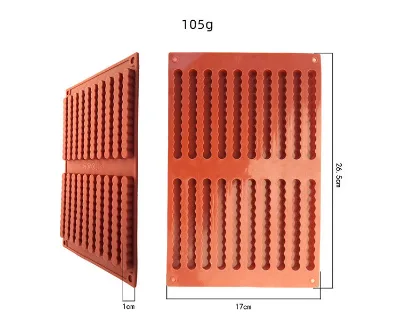


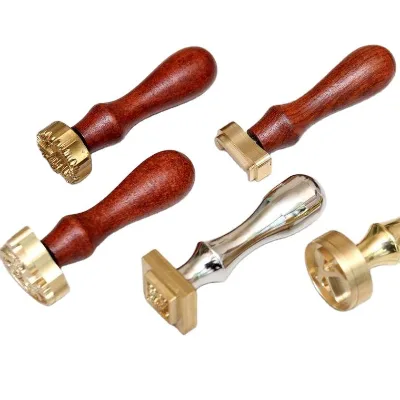


Comprehensive Sourcing Guide
Iced Bar Mold Sourcing Guide
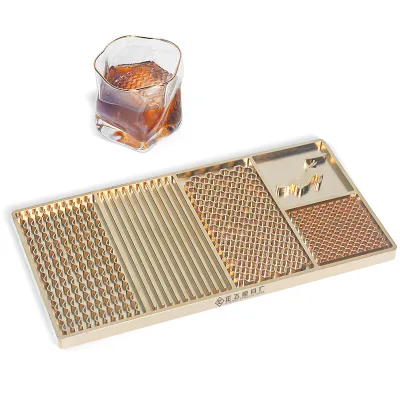
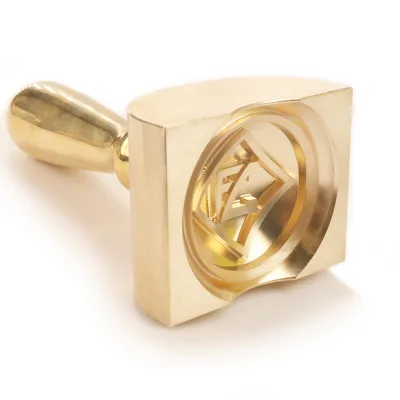
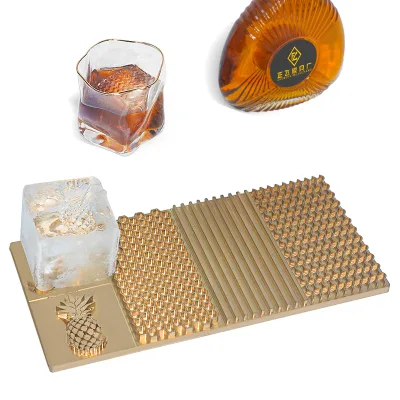
An iced bar mold in this category primarily refers to branded ice stamps and ice cube molds used to imprint a logo or design onto clear ice at bars, cocktail lounges, and event venues. The listings observed combine a punching or imprint mold head with a wooden handle, with brass identified as the primary contact material. Because the product touches consumable ice, buyers should treat material composition and workmanship as first-order concerns, ahead of unit price.
This guide is written for procurement teams evaluating custom-stamped ice programs, whether ordering a single sample unit or negotiating repeat wholesale volumes. Use it to structure supplier conversations around scope, specifications, safety documentation, cost drivers, qualification, and ongoing quality checks. Where the observed listings provide concrete attributes—such as brass and wood construction, customization availability, and sample provision—those signals are noted; where they are silent, the guide explains what to verify before committing funds.
Product Scope and Observed Listing Signals
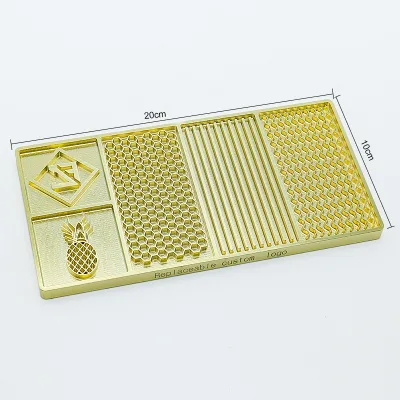
The observed product range centers on ice cube stamps described as "Ice Cube Stamp," "Ice Stamp Plate," and "stamp mold ice," with stated functions of crafted ice cube making and ice sealing. Listed materials include copper, brass, brass with wood, and in some entries silicon, indicating that the category spans traditional metal stamp heads and potentially alternative molding approaches. Shaping modes vary across entries—punching mold, imprint, die casting, and plastic injection mould—so buyers should confirm which process a given listing actually represents before comparing prices.
Commercial signals are equally varied. Model numbers such as "ice mold" and "stamp mold ice" appear alongside numeric references like 24020, and MOQs in the observed data span from 1 piece to 1,000 units, reflecting a mix of sample-friendly and bulk-oriented listings. Several listings advertise OEM/ODM availability, customized logo support, and sample provision, which matters for bar chains wanting consistent branding. Packing ranges from opp bag to customized package, and application is explicitly noted as bar use. Treat these as per-listing observations rather than category-wide guarantees.
Technical Specifications to Verify
Start with geometry and imprint dimensions. Observed sizes include 4x4 inch and 4x8 inch plates, plus "custom size" and "according to your needs" entries, and one packaging standard of 15.3x11x5.1 cm. For bar programs, the stamp face must match your standard ice block format—typically large-format clear cubes—so confirm the imprint area, design depth, and overall head diameter in writing. Request dimensional drawings rather than accepting generic size labels, and specify round, square, or oval shapes explicitly since the listings indicate all are possible.
Material and construction details need equal scrutiny. Brass and copper are the stated metals, with wood handles on several models; verify alloy grade, plating or finish, and how the handle attaches to the head, since repeated heating and pressing stresses that joint. Confirm gross weights—observed figures include 1 kg, 219 g, and 92 g—so you can validate actual shipments against samples. Also clarify which shaping mode applies to your unit, because a die-cast brass stamp and an injection-molded item behave very differently under repeated thermal cycling.
Compliance and Safety Documentation
Because the stamp contacts ice that goes directly into beverages, food-contact material safety is the central compliance question. Ask each supplier for documentation that the brass or copper alloy, any plating, and the wooden handle finish are suitable for food-contact use in your destination market. Do not assume compliance from listing language; request the specific declarations applicable to your jurisdiction and verify them independently where possible. Silicon variants, where offered, should carry equivalent food-grade confirmation.
Beyond food contact, buyers importing into regulated markets should ask about general product safety obligations, packaging declarations, and any testing reports the factory can produce for metal content. Wooden components may also face phytosanitary or treatment requirements depending on destination, so confirm heat treatment or processing documentation. Finally, request the manufacturer's own quality system evidence—whatever certifications they genuinely hold—and treat unverifiable claims as a red flag. Keep copies of all documentation in your supplier file, since auditors and retail partners increasingly ask for provenance on bar equipment that touches consumables.
Cost Drivers and Commercial Terms
Observed prices span a wide range, from roughly 0.3 to 102.69 USD, which reflects differences in mold complexity, material, size, and order structure. The main cost drivers for a custom ice stamp are the metal type and weight, engraving or die-casting complexity of the logo, handle material, and customization depth. A simple round stamp with a stock design sits at the low end; a large 4x8 inch brass plate with detailed artwork commands the top of the range. Sampling costs and tooling for custom logos are typically quoted separately.
On commercial terms, the observed MOQ range of 1 to 1,000 pieces shows that entry-level orders are feasible, but per-unit economics improve sharply at volume. Negotiate whether sample fees are credited against first bulk orders, confirm packing format (OPP bag versus customized packaging, as listed), and check that quoted prices specify incoterms. Carton dimensions such as 57x33x52 cm and 59x33x42 cm, with gross weights of 10.5 kg per carton and packing quantities of 100 units, directly affect freight; model these before comparing headline unit prices across suppliers.
Supplier Qualification and Quality Control
Qualify suppliers through evidence rather than listing claims. For ice stamp molds, prioritize manufacturers that demonstrate in-house engraving or die-casting capability, since outsourced tooling lengthens lead times and complicates revisions. Verify the stated origin—listings point to China, with Guangdong specifically noted—and confirm the factory actually produces the mold heads rather than trading them. Request references or transaction history for bar and hospitality clients if available, and use the offered sample provision to audit real output before volume commitments.
Define a quality control protocol tied to the attributes that matter: alloy consistency, engraving sharpness and depth, handle attachment strength, and surface finish free of burrs that could chip ice or harbor residue. Specify an inspection standard in your purchase contract—AQL sampling is common practice, though you should agree the exact level with the supplier. Weigh received goods against the declared single gross weight of 1 kg or item weights of 219 g and 92 g as a fast verification step. Pre-shipment inspection with photographic records protects you on custom logo work where defects are hard to dispute after delivery.
Long-Term Procurement Checks
Build repeat-purchase stability by locking down the elements that drift over time. Custom stamps depend on artwork and tooling; require suppliers to archive your approved design files, mold specifications, and material declarations so reorders match the original without renegotiation. Confirm that model numbers—such as "stamp mold ice" or 24020—remain stable identifiers in your purchase orders, and document any revisions to size, shape, or handle design. Periodic re-sampling every few order cycles catches gradual tooling wear before it reaches your bars.
Operationally, monitor whether "can be used multiple times" holds true in your real service conditions; repeated heating of brass heads can degrade finishes and loosen handles, so track field failure rates and feed them into supplier reviews. Re-validate food-contact documentation annually, since regulations and factory material sources change. Finally, reassess commercial terms as your volumes grow: MOQs of 1 piece suit trials, but sustained bar programs justify negotiated pricing, customized packaging, and agreed lead times. Diversifying across two qualified suppliers—ideally one punching-mold specialist and one die-casting source—reduces disruption risk when demand spikes.
FAQs
What materials are used for iced bar molds?
Iced bar molds are typically crafted from brass, copper, or wood. These materials ensure durability and effective heat conduction for consistent ice sealing. Some designs combine wood handles with brass plates for ergonomic use. The choice of material impacts the mold's longevity and the clarity of the ice seal produced during the punching or imprinting process.
Can I customize the size of the ice mold?
Yes, customization is available for ice molds to meet specific needs. Manufacturers offer custom sizes, such as 4x4 inch or 4x8 inch plates, and various shapes like round, square, or oval. You can also request customized packaging and logos. This flexibility allows bars and crafters to tailor the molds to their specific branding or functional requirements.
What is the minimum order quantity for these molds?
The minimum order quantity for these ice molds starts at just one piece. This low MOQ allows buyers to test samples or order small batches for specific projects. Suppliers often provide sample options to verify quality before larger purchases. This flexibility supports both individual crafters and larger commercial bars looking to evaluate the product's performance.
How are the ice molds packaged for shipping?
Ice molds are commonly packaged in OPP bags or customized packages. Standard packing may include individual opp bags for protection, while bulk orders might use cartons with specific dimensions like 57x33x52 cm. Customized packaging is welcomed to suit different shipping or retail needs. This ensures the sturdy and durable molds arrive safely without damage during transit.
Where are these ice stamp molds manufactured?
These ice stamp molds are manufactured in Guangdong, China. The region is known for its robust manufacturing capabilities for metal and wood products. Buyers can expect consistent quality and competitive pricing from these sources. The origin indicates a mature supply chain for specialized bar tools and crafting equipment used in professional and home settings.
What shaping modes are used for these molds?
These molds utilize shaping modes such as punching, imprinting, die casting, or plastic injection molding. The specific mode depends on the material and design, such as brass plates for imprinting or silicon for injection. These techniques ensure precise ice sealing and durable construction. The choice of mode affects the mold's ability to create clear, professional-looking ice cubes for bars.